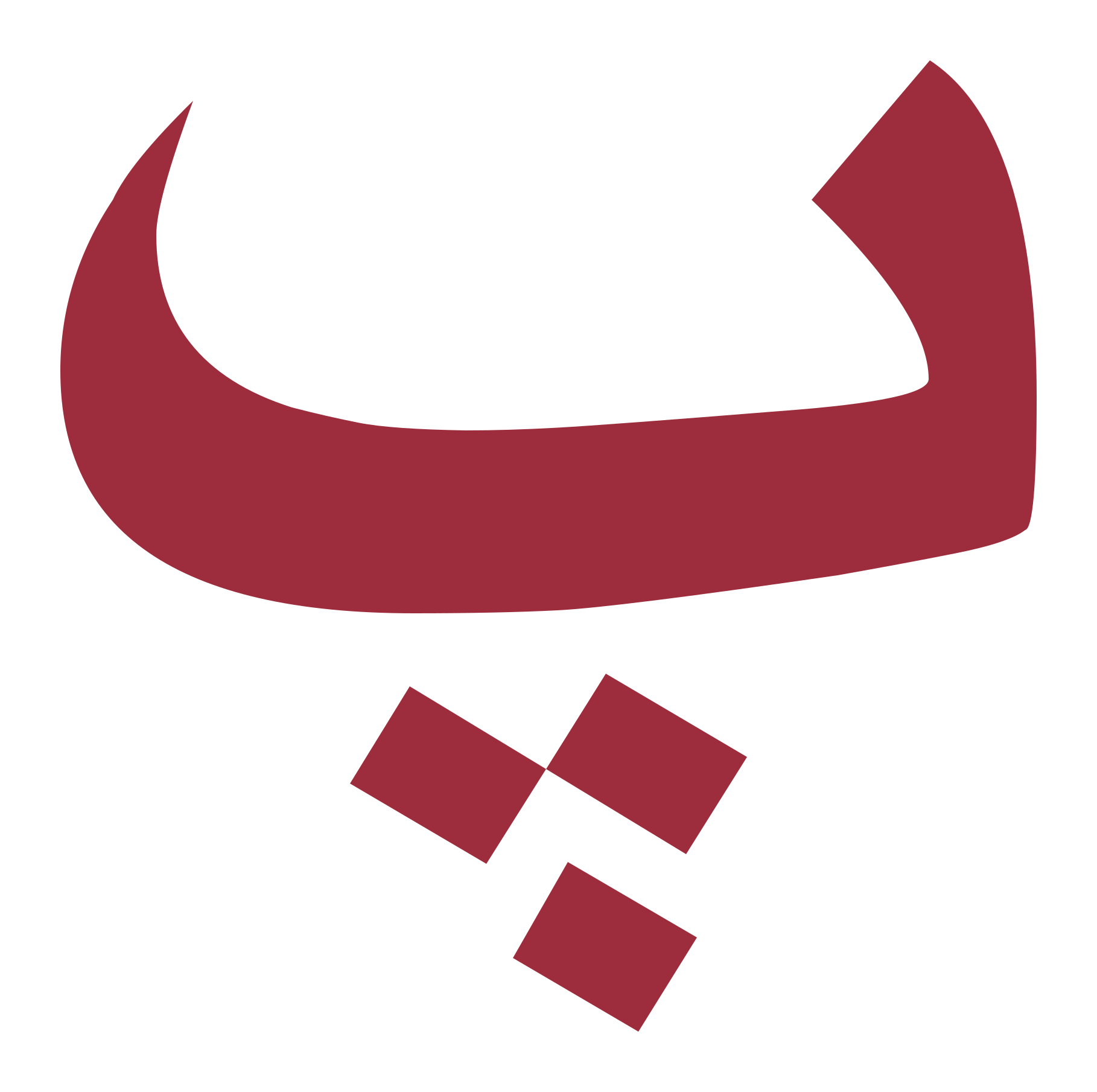
ژمی
jzúmayjzímayžə́mayJhamyžә́mayj̱ẕamaeyžəmay/ˈʒəmaɪ//ˈd͡ʒəmaɪ/
Other spellingsژِمَیژميَ
ژمیnounmasculine
winter
Meanings
- winter
- winter, season between autumn and spring, coldest season of the year (often characterized by coldness and rain or snow)
- The winter, the cold season
- The winter. See p
- The three months of winter are subdivided thus--The first twenty-five days are called تور ژميَ tor j̱ẕamaey, (lit. Black winter), the next forty days are called چله c̱ẖilaʿh, and the next twenty-five days سپین ژميَ spīn-j̱ẕamaey (lit. White winter). This last portion is again sub-divided into four periods, the first twelve days are termed سیهه sīahaʿh, the six following امني بمني amanī-bamanī, the next seven زهر خنډيَ zahr ḵẖunḏḏaey, at which time cold winds and frost set in, and the next five days are termed پنج و ګنج panj-o-ganj, when the buds shoot forth, and spring commences. These…
Pashto definitions
- د يخنۍ موسم، د شمسي کال څلورم فصل؛ (جغ.) ژمی د نړۍ په هره سيمه کې د کال هغه موسم يا فصل ته وايي چې د لمر وړانګې د ځمکې پر هماغه سيمه باندې ډېرې مايلې وځليږي، هوا سړه شي، ورځې لنډې شي، شپې اوږدې شي، باد ولګېږي او باران يا واوره ووري
- د يخنۍ موسم، د لمريز کال څلورم فصل
- د کال د څلورو فصلونو څخه سوړ فصل دی (نوم)
- د کال د څلورو موسمونو څخه یو هم ژمی دی . چي دا موسم سوړ موسم دی .
Forms
- plural
- ژميژميانžəmi žəmyân
- singular
- ژمیžəmay
- oblique singular
- ژميžəmi
- oblique plural
- ژموژميوژميانوžəmo žəmëyo žəmyâno
- singular vocative
- ژميهžəmëya
- plural vocative
- ژموژميوژميانوžəmo žəmëyo žəmyâno
Phrases
- تور ژمی
the first twenty-five days of winter (when there is still little snow)
- سپين ژمی
the period from the sixty-sixth through the ninetieth day of winter
Translations (5)
- German
- Winter m. · Winter (der) · Winter
- French
- hiver (m.). · hiver
- Dutch
- winter
- Persian
- زمستان (ج) ژمی · زمستان · سرما
- Russian
- зима · په ~ کښی зимой · <> ~ تور первые двадцать пять дней зимы (когда ещё мало снега) · ~ سپین период с шестьдесят шестого по девяностый день зимы (когда уже устанавливается зима).
Etymology: Inherited from Proto-Iranian *jimáh, from Proto-Indo-Iranian *ȷ́ʰimás, from Proto-Indo-European *ǵʰimós.