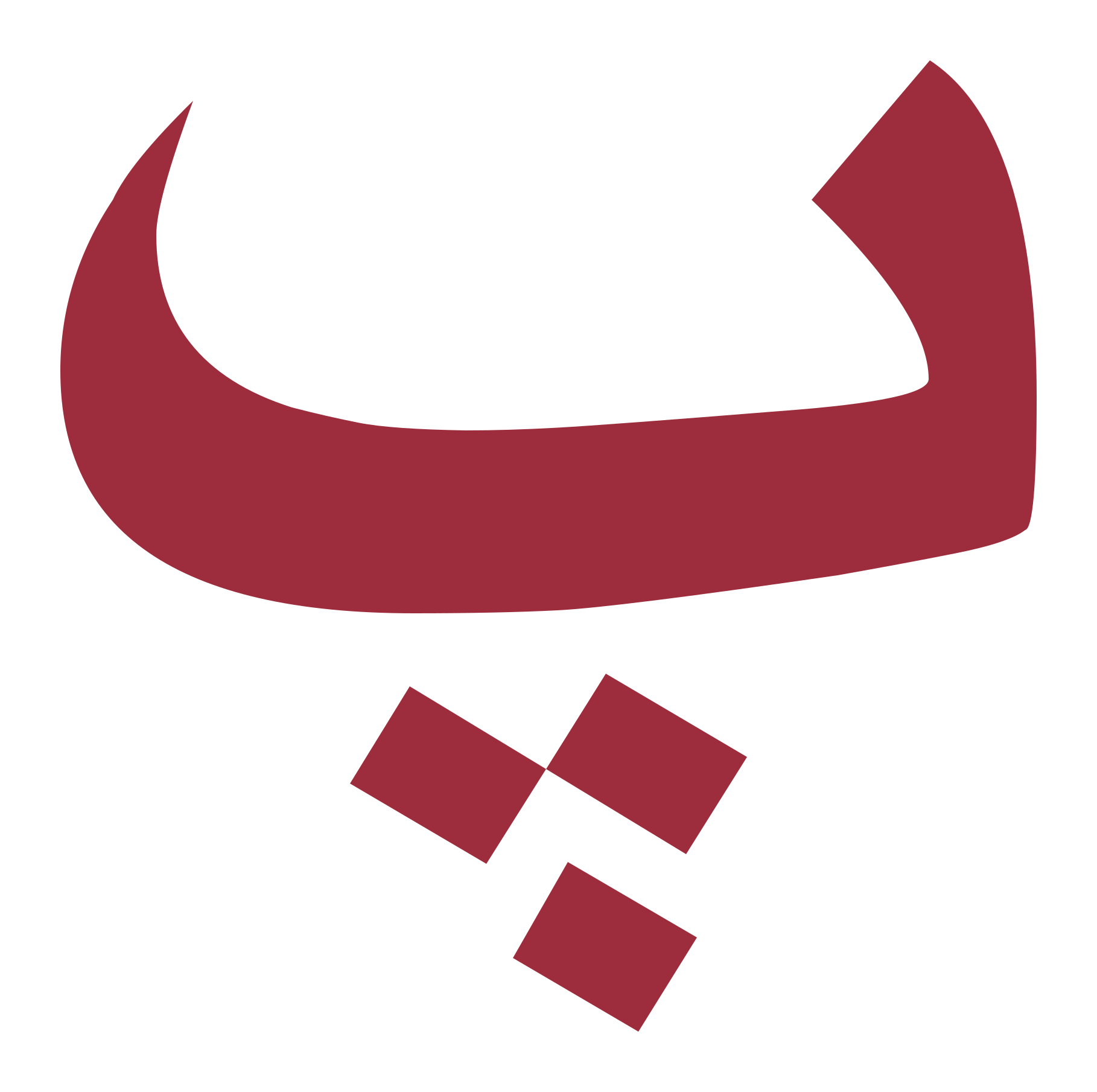
بnounfeminine
(second letter of the Pashto alphabet, number 2 in the abjad system)
Meanings
- (second letter of the Pashto alphabet; number 2 in the abjad system)
- third letter of the Pashto alphabet
- the third letter of the Pashto alphabet
- is the second letter of the Puś̱ẖto, as well as of the Arabic, Hebrew, and Persian alphabets. In the Afg̠ẖān language this letter is sometimes changed for و as in the Persian
- for م, as in لنبه ʻa flame, ʼ for هونبره;لمبه ʻso much, ʼ for عنبر;هومبره ʻambergris, ʼ for عمبر, etc
Translations (4)
- German
- Der dritte Buchstabe des Paschtu Alphabets
- French
- nom (m.) de la troisième lettre de l'alphabet (m.) pashto. · nom de la troisième lettre de l'alphabet pashto
- Persian
- حرف دوم الفبای پښتو است که (بې) (ک مج) نام دارد (ج) بې ګانی .
- Russian
- вторая буква афганского алфавита; числовое значение по абджаду
بcharacter
The second letter of the Pashto alphabet, called بي and written in the Arabic script.
Meanings
- The second letter of the Pashto alphabet, called بي and written in the Arabic script.
Pashto definitions
- دَ پښتو دَ پټۍ دوېم حرف چې دَ ابجد لۀ لحاظ ئې قيمت پۀ دوه حساب دی،
- د پښتو الفبې دريم توری دی. ابجدي ارزښت يې
- د پښتو الفبې دريم توری دی، ابجدي ارزښت يې
- د پښتو د الپ او بې دویم توری
بَpreposition
a particle, the sign of the future, the doubtful past, and the continuative tenses of verbs. When not prefixed to a word
Meanings
- a particle, the sign of the future, the doubtful past, and the continuative tenses of verbs. When not prefixed to a word, which is the most general form, it is written به, which see. See also my Grammar
- (always prefixed to another word), By, with, from, near, on, into, in, for, towards, etc
- Generally prefixed to another word, and when standing alone written به, signifying, With, by, for, in, into, to, up to, on, upon
- and like that prefix is often rejected as redundant
- With (ــُــ) it is often used for ؤه, the third person singular of the masculine form of the past tense of the verb ʻTo be, ʼ and with (ـــِــ) for the third person feminine plural of the same tense
- It is used with the particle به to mark the masculine singular and feminine plural forms of the conditional or optative tense of the same verb
- It is used with (ـــِــ) for وي, the third person plural of the imperfect tense of the infinitive ویل ʻTo say.ʼ
- It is often used in the place of (ــُــ) and vice versƒ. When used with Arabic and Persian words, it is subject to the rules of those languages. See "Grammar."
Etymology: Arabic Persian
Other definitions
- دی
- دي