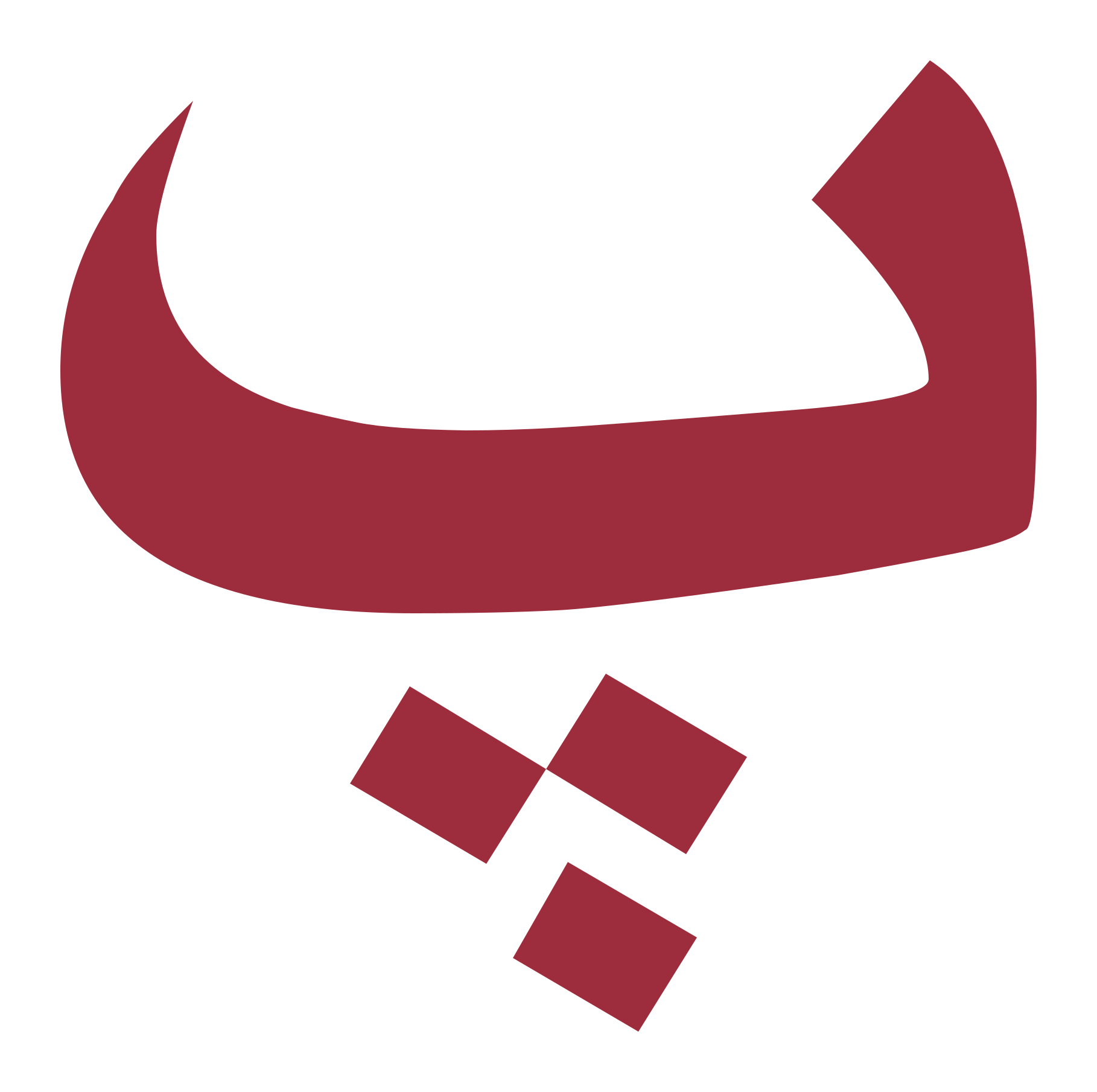
ی
نور لیکدودونهيۍېيْئ
ینومښځینه
the fortieth letter of the Pashto alphabet, number 10 in the abjad system, it is pronounced as the vowel phoneme /y/ before and after other vowels, it also represents the vowel phonemes /i/
ماناوې
- the fortieth letter of the Pashto alphabet; number 10 in the abjad system; it is pronounced as the vowel phoneme /y/ before and after other vowels; it also represents the vowel phonemes /i/, /e/ and /ay/
- forty first letter of the Pashto alphabet
- forty-first letter of the Pashto alphabet
- the forty-first letter of the Pashto alphabet
- last letter of Pashto alphabet
- Heat, warmth, fervour, glow, temperature, closeness, sultriness. See under تود
- (with the exception of some nouns terminating in yā-i-moḳūf or silent ي) in the formation of their feminines; as اوښ ūś̱ẖ or ūḵ́ẖ, A male camel; اوښه ūś̱ẖaʿh or ūḵ́ẖaʿh, A female camel. سوي so-e, A hare; سویه so-eaʿh, The female. لوي lo-e, Great (male); لویه lo-eaʿh, Great (female). In the uninflected nominative plural the ه is changed to يْ
- with (ــــ) fat-ḥaʿh preceding it, being a compound of fat-ḥaʿh and yā quiescent, is used as the singular termination of a number of nouns, and by which their gender may be known. In the plural it is changed into yā-i-maœ-rūf or ي preceded by (ـــِـ) kasraʿh; as سړيَ saṟṟaey, A man; سړيِ saṟṟī, Men. These letters and combinations are also used for the Puś̱ẖto masculine yā-i-nisbat, to express relation or connection; as قندهار ḳanda-hār, The city of Ḳandahār; قندهاريَ ḳanda-hāraey, A man or male of Ḳandahār; قندهاريِ ḳanda-hārī, Men of Kandahār, etc
- with (ــُِــ) preceding it, ئِي aʿī, is the termination of a number of feminine nouns, which are both singular and plural; as جینئِي jīnaʿī, A girl or girls. This termination is also used as the yā-i-nisbat for the feminine gender, to denote relation or connection; as قندهارئِي ḳanda-hāraʿī, A female or females of Ḳandahār
- is used as the affixed personal pronouns of the second person, as in the Semitic, Persian, and Sindīān languages; thus, yā-i-maj-hūl denotes or stands for the termination of the second person singular; as, آخليْ āḵẖal-ey, Thou takest, and is changed in the plural to hamzaʿh-i-malaiyinah-i-mak- sūr wo yā-i-taḥ-tānī-i-maœ-rūf, i.e. softened hamzaʿh and ي with kasraʿh (ــِـ); as, آخلئِي āḵẖal-aʿaī, You take. This is often written by way of distinction by some of the oldest authors with (ــْــ) jazmaʿh over ي, but I have generally adopted the former as being the more correct method. The Western…
- is like ا and و, is one of the ḥurūf i-œillat, or weak letters; and is, like the English y, sometimes a consonant and sometimes a vowel
پښتو تعریفونه
- يائې معروف، د اردو پنځۀ دېرشم، دَ فارسۍ دوه دېرشم دَ عربۍ اتۀ دېرشم، دَ هندۍ شپږويشتم او د پښتو يو څلوېښمت حرف، دَ ابجدوپۀ حساب دَدې لس عدد دی، دَ جمع علامت، لکه سړی نه سړی، نری نه نری، دَ فعل حال غائب پۀ اخر کښې راځی لکه ځی، کوی، خوری، د نسبت د پاره دوست نه دوستی
- دَ پښتو د (ا، ب) د َ پټۍ څلور څلوېښتم حرف، هغو توريو کښې استعماليږي چې مجهول اواز لري، لکه سړي، سپي، لښتي، وغېره.
- د پښتو د(ا، ب) دَ پټۍ درې څلوېښتم حرف، دَ تانيث علامت، لکه نري نه نرۍ، چېلۍ، څپلۍ وغېره
- يائې مخصوص، د پښتو د پټۍ دوه څلوېښتم مخصوص حرف، دَ پښتو خاص تلفظ لري لکه سړې ابۀ درې چرې، مرکب صورت کښې به لاندې باندې ټکي لري لکه ټېل، ګرځېدل، کېدل وغېره
- د پښتو الفبې يو څلوېښتم توری، ابجدي ارزښت يې لس دی
- د پښتو الفبې يوڅلوېښتم توری، چې ابجدي ارزښت يې لس دي.
- د پښتو دالپ او بې دېرشم توری
بڼې
- جمع
- تودey
ژباړې (4)
- الماني
- Der letzte Buchstabe des Paschtu Alphabets
- فرانسوي
- nom de la quarantième lettre de l'alphabet pashto
- فارسي
- حرف سی ام الفبای پښتو است که آنرا (یی) می نامند (ج) یې ګانی. در پښتو پنج نوع (ی) در شکل نوشتاری وجود دارد. [ ی ې ي ﺉ ۍ ] و برای تعداد کثیر نوآموزان زبان پښتو تفریق این انواع تا اندازه مشکل است . در تمام حروف الفبای پښتو (ی) شکل های گوناگون کاربرد و
- روسي
- сороковая буква афганского алфавита · числовое значение по абджаду 10 · произносится как согласный звук «й» перед гласными и после них и служит для передачи гласных "и, е" · / см. یا
يcharacter
The forty-first letter of the Pashto alphabet, written in the Arabic script, preceded by ۀ and followed by ې., The forty-third letter of the Pashto alphabet
ماناوې
- The forty-first letter of the Pashto alphabet, written in the Arabic script; preceded by ۀ and followed by ې.
- The forty-third letter of the Pashto alphabet, written in the Arabic script; preceded by ې and followed by ۍ.
- The forty-second letter of the Pashto alphabet, written in the Arabic script; preceded by ي and followed by ی.
- The forty-fourth letter of the Pashto alphabet, called ښځينه يې (ẍëźina ye) and written in the Arabic script; preceded by ی and followed by ئ; used at the end of feminine nouns and adjectives that have stress on the last syllable.
- The forty-fifth and last letter of the Pashto alphabet, written in the Arabic script; preceded by ۍ.
يsuffix
indicates the third person plural present form of verbs, at the end of nouns and adjectives, indicates that the word is masculine in the singular oblique case or plural direct case, used in the non-declining adjective class
ماناوې
- indicates the third person plural present form of verbs
- at the end of nouns and adjectives, indicates that the word is masculine in the singular oblique case or plural direct case
- used in the non-declining adjective class
- forms the feminine of nouns and adjectives
- indicates the second person singular or past feminine third person plural of certain verbs
- forms the feminine verbal participle of certain verbs
- ends certain circumpositions
- forms the second-person plural verb ending
- a suffix added to nouns to form abstract nouns: -ship, -ity, -tion
بېلګې
مشر (mašër, “leader”) + ي (-i) → مشري (mašri, “leadership”)
دښمن (duẍman, “enemy”) + ي (-i) → دښمني (duẍmani, “animosity”)
خپلواک (xpëlwâk, “independent”) + ي (-i) → خپلواکي (xpëlwâki, “independence”)
ګران (grân, “expensive”) + ي (-i) → ګراني (grâni, “inflation”)